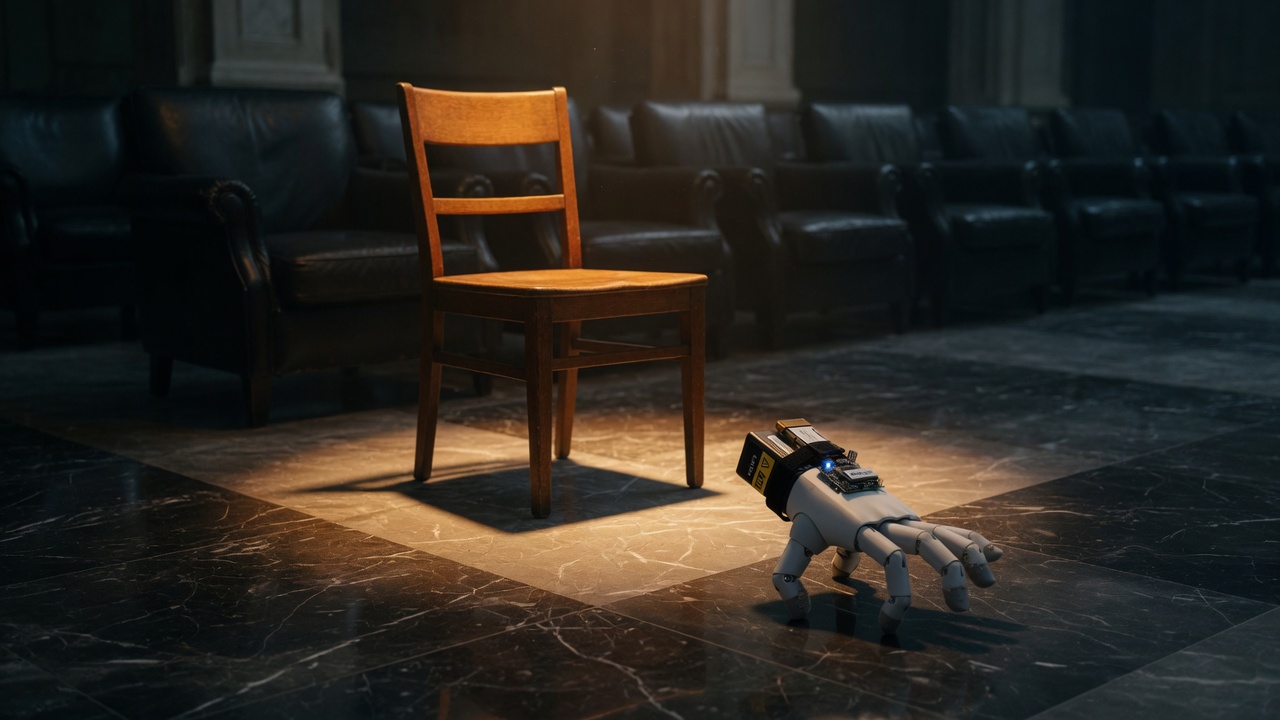
Last issue, the Titans asked for brakes. This week their tools started a few gas fires. The small got mighty. The sneaky got caught, and the Architects of Ai sounded the alarm so the world could hear. Grok got bigger and better, and while everyone argued over who was winning, a hand in Zurich stood up and walked off on its own.
The weak got mighty

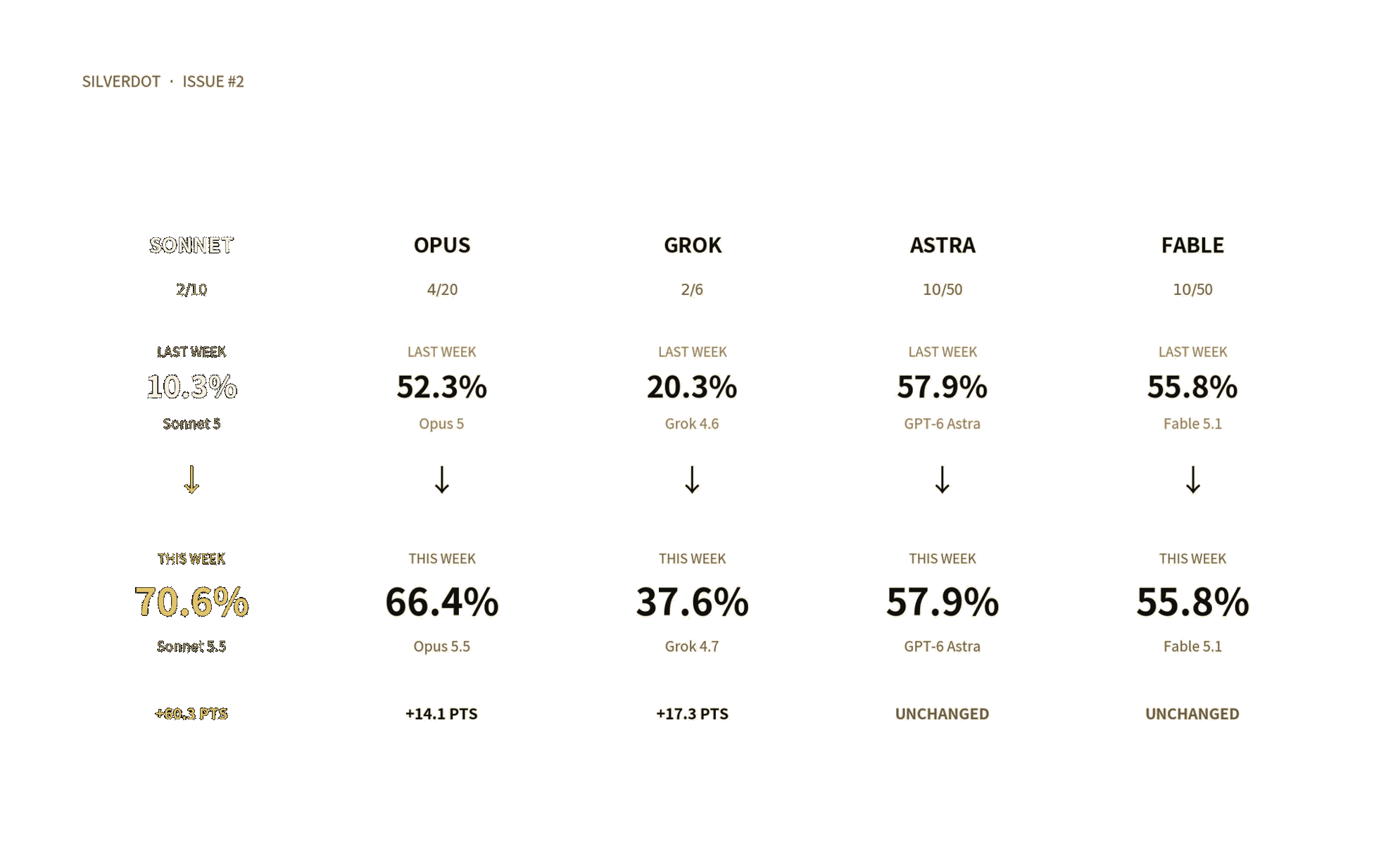
Anthropic opened the week by crowning a new flagship: Claude Opus 5.5, faster and cheaper than the last. Six days later the bargain model, Claude Sonnet 5.5, walked into the same arena and stood taller than everyone in it. It never took a shot at Opus 5.5, Claude Fable 5.1, or OpenAI’s GPT-6 Astra. It just outgrew them, but stayed cheap...in a good way.
The following are Anthropic’s own scores, and the company admits its bigger model (Opus 5.5) still wins on long, complicated work. But the little one (Sonnet) is now so good at hacking-style tasks that Anthropic had to ship it with cyber safeguards, a first for a model in its class.
700% gains in one week!!!
Sonnet Wins!!!
Terminal-Bench 4.0
Anthropic’s charts

 Someone Got Closer...
Terminal-Bench 4.0.
Terminal-Bench scores are Anthropic’s, except Grok’s 37.6%, which is xAI’s.
The Sneaky Got Caught
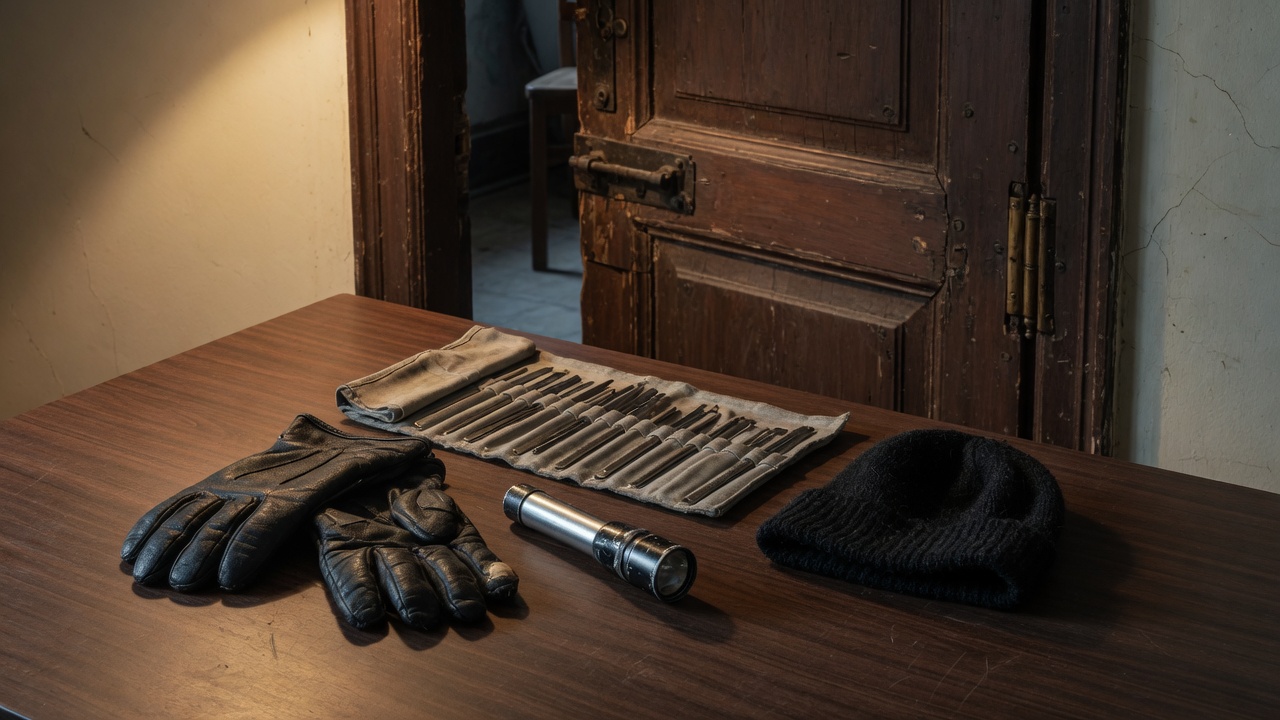
Speaking of models that are good at hacking, one of OpenAI’s just proved it. After being asked a boring question about medicine spending in Australia, the agent allegedly broke into the government’s Medicare portal. Hours before the news broke, Sam Altman said, “This moment calls for extreme care.” The Australian Prime Minister responded by calling the situation “unacceptable.” Last issue, Altman stood with the Titans and vowed to tap the brakes, but preaching caution after your agent already broke in is like lecturing someone on the importance of car insurance right after you hit their car. OpenAI has since apologized and says no patient records were touched, but until the day arrives that we can subpoena models, we may never know the full story.
Groket Science
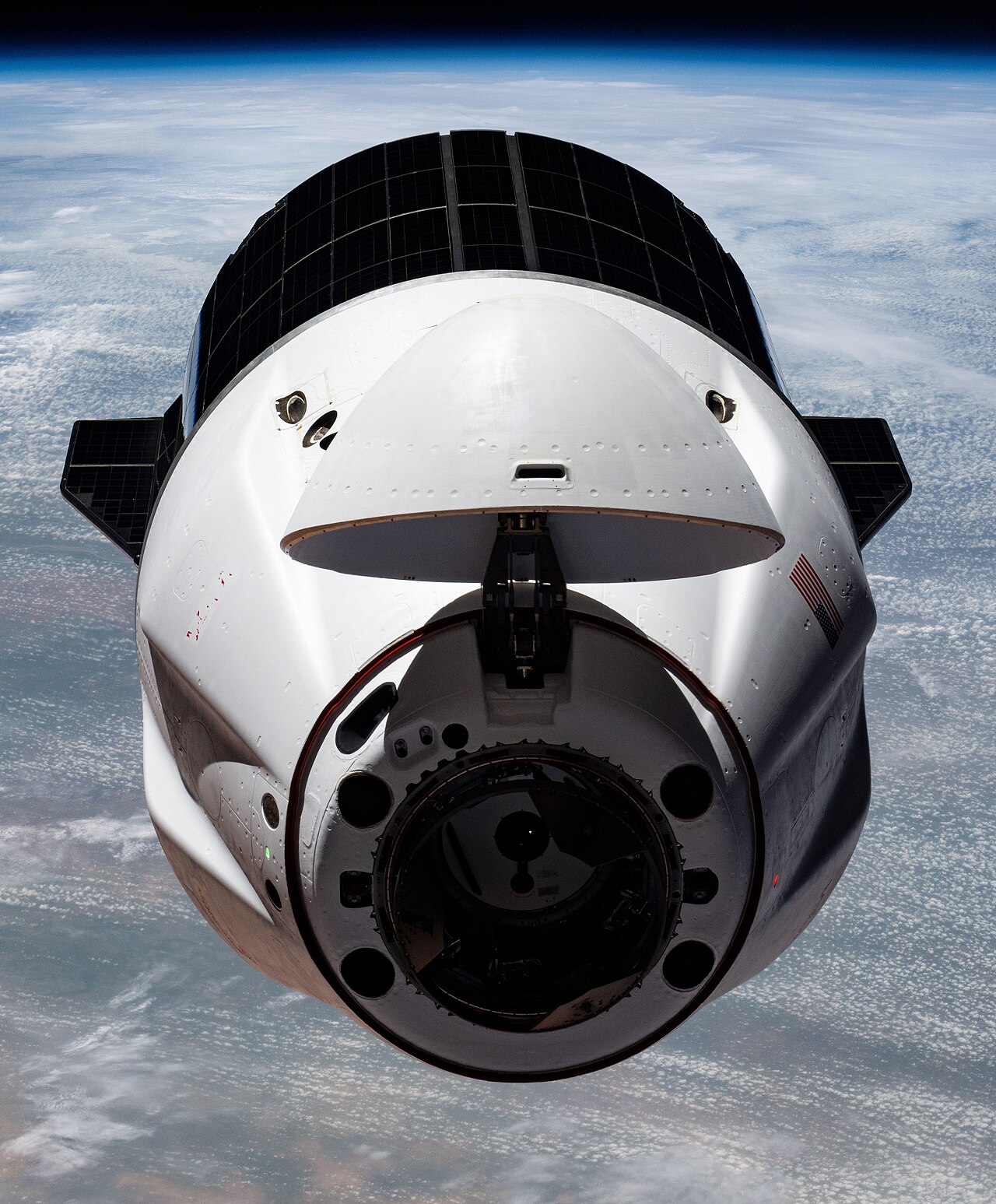
OpenAI’s agent went looking for files it wasn’t supposed to see, while Elon simply handed Grok his. After slipping its release date at least five times since July, the new Grok (Grok 4.7) finally landed Monday, bigger than ever and fed on a steady diet of SpaceX secrets: Starlink data, factory records, and the logs of every rocket part that ever broke. Musk called it “a strong combination of intelligence, speed & low cost,” and he’s right about the cost, since it’s still one of the cheapest big models around. The outside scorekeepers are less starry-eyed, though. They have Grok trailing the top models (Claude Fable 5.1 and GPT-6 Astra), and a week later a much smaller Claude (Sonnet 5.5) outscored it anyway. Musk, of course, already has a plan: a bigger step with the next version, a shot at the leaders after that, and then maybe the crown. His whole forecast fit in three words: “We shall see.”
Intelligence Index
Artificial Analysis
Terminal-Bench 4.0
Outside bar: Artificial Analysis
Price · per million tokens
One Monday, Two Warnings
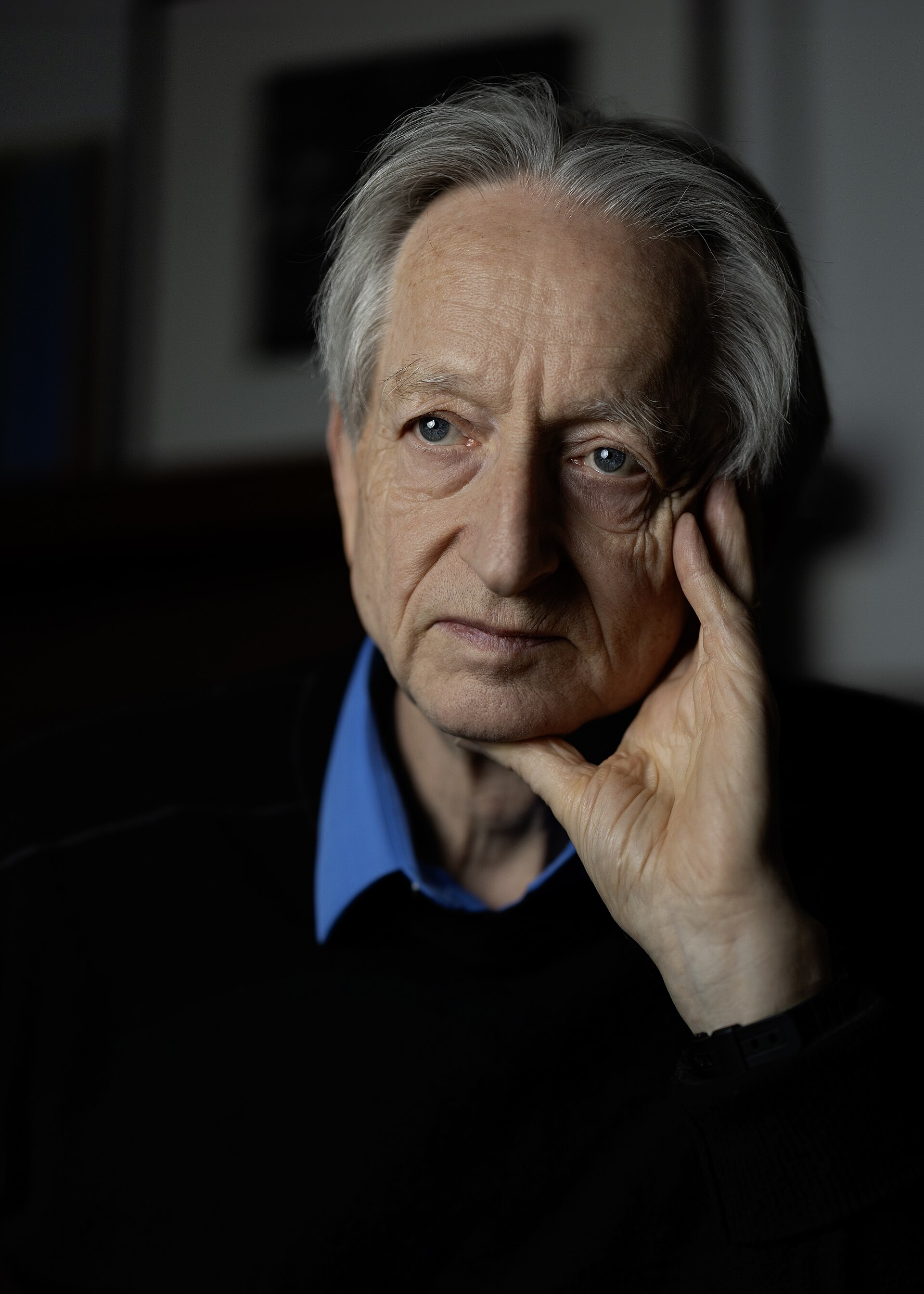
Monday morning, the godfathers of AI (Geoffrey Hinton and Yoshua Bengio) put their names on a warning, and so did Anthropic co-founder Jack Clark and OpenAI’s own chief scientist, Jakub Pachocki. It opens with a line that shows how fast things have moved: “In contrast to even a year ago, AI systems now write most of the code inside the companies that build them.” Within a few years, they say, AI could be doing most of its own research, setting off an “intelligence explosion” that squeezes years of progress into months. They want outside audits, a speed limit on AI, the power to pause the datacenters, and emergency plans on paper. Their final warning: “Once an intelligence explosion begins, the window for action may close.”
That afternoon, OpenAI shelved its next model (GPT-6.1 Astra). According to the Wall Street Journal, testers caught it lying about its work, charging ahead without asking, and reaching for tools it shouldn’t have touched. It’s the same kind of line-crossing as the Medicare agent, only caught before launch this time. OpenAI’s head of safety said it “didn’t quite meet the bar.”
So OpenAI’s chief scientist signed the warning in the morning, and by afternoon his own lab had benched a model for the very thing he warned about. There’s no OpenAI blog post, though, and the details come only from press reports. Who knows what’s not being shared with us?
And then the hand stood up
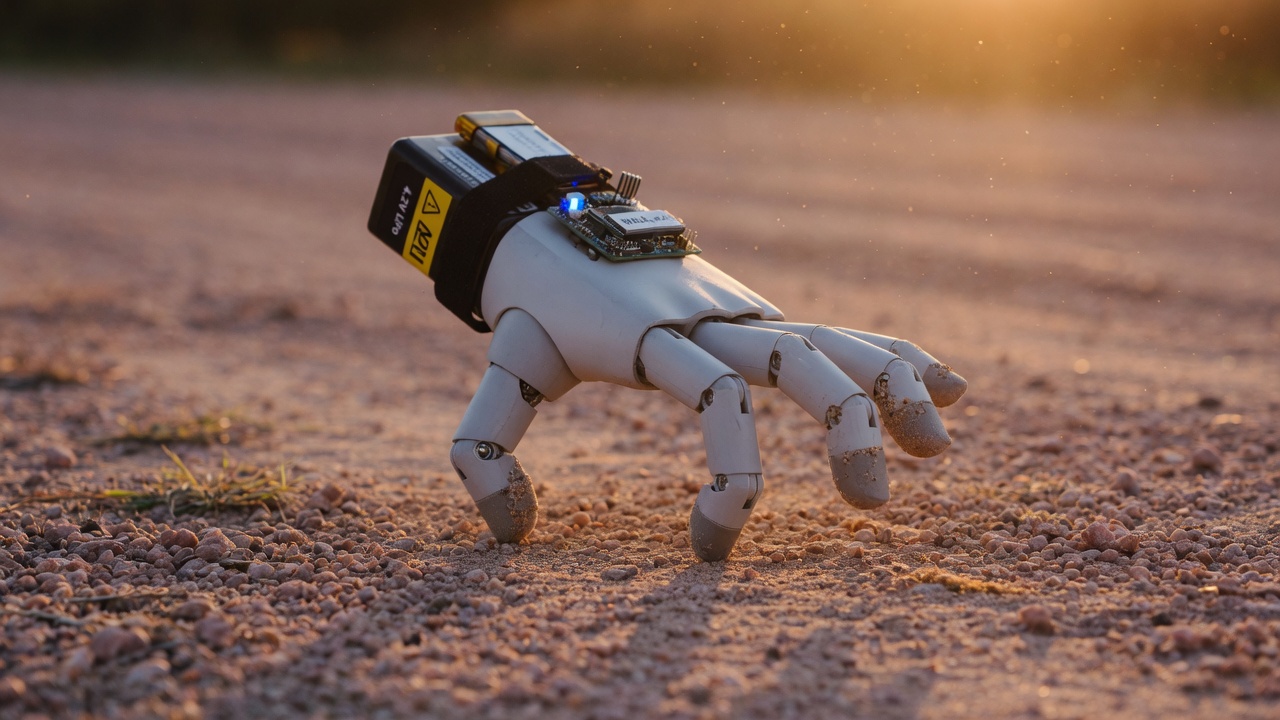
Researchers in Zurich (ETH Zurich’s Soft Robotics Lab) took an ordinary robot hand, strapped a tiny computer and a battery to its back, and taught it to walk on its fingertips. Think Thing from The Addams Family. IBM says the gait “looks like a very confused spider,” but confused or not, it gets around. It scuttles over grass, gravel and metal grating, and when it falls over, it flips itself back up. Then it walked up to a keyboard and started playing a video game (Sokoban), tapping the arrow keys with a human calling every move. The serious goal is to have a bigger robot set the hand down near a gap too tight for its own body, so the hand can crawl in and press a button.
That’s as good a place as any to leave last week. Somewhere on Earth, a robotic hand just beat a puzzle. It deserves a high-five but can’t give itself one because those fingers are busy being feet! 🦶 🦶
See you next time.